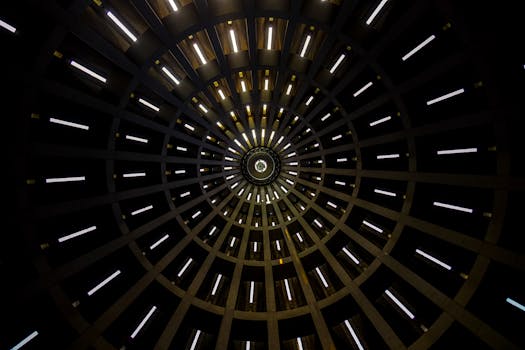
Imagine walking into a space that feels both ancient and utterly contemporary. A place where raw materials are celebrated, not hidden, and where form follows an almost sculptural, uncompromising function. This is the essence of brutalist interior design, a style that often elicits strong reactions, but one that, when approached with intention, can result in exceptionally compelling and sophisticated living environments. It’s a far cry from the sterile, imposing structures many associate with the term; rather, it’s about embracing honesty, texture, and a powerful sense of place.
For those who appreciate an aesthetic that prioritizes substance over superficiality, brutalist interiors offer a unique proposition. It’s not a style for the faint of heart, nor is it about simply plastering concrete everywhere. It demands an understanding of its core principles and a thoughtful application to avoid it feeling cold or unwelcoming.
Deconstructing the Brutalist Ethos: More Than Just Raw Materials
At its heart, brutalism (derived from the French béton brut, meaning raw concrete) is an architectural movement that champions the inherent qualities of materials. In interior design, this translates to a profound respect for texture, form, and structural honesty. Think exposed concrete walls, timber beams, raw steel, and unadorned plaster. The beauty lies in the imperfections, the subtle variations in tone and texture that tell a story.
However, simply replicating these elements without context is a common pitfall. The true mastery of brutalist interior design lies in balancing the austerity with warmth and livability. It’s about creating a dialogue between the robust materials and elements that soften the edges, making the space feel inviting rather than intimidating.
Strategic Material Palettes: The Cornerstone of Brutalist Interiors
The selection and application of materials are paramount. When we talk about concrete, we’re not just referring to standard grey slabs. Consider:
Exposed Concrete: This is the obvious starting point, but its application can vary. Polished concrete floors offer a sleek, minimalist base. Textured concrete panels can add visual interest to walls. Even pre-cast concrete elements, like planters or furniture pieces, can be integrated.
Natural Stone: Think rough-hewn granite, slate, or even large, unpolished marble slabs. These materials bring a natural, grounding quality that complements concrete beautifully.
Raw Timber: Unfinished or minimally treated woods – oak, walnut, even reclaimed timber – provide essential warmth and contrast. Large wooden beams, chunky shelving, or simple, solid furniture pieces can break up the harsher textures.
Steel and Iron: Blackened steel, raw iron, or brushed stainless steel can be used for structural elements, window frames, or even custom-designed furniture. Their cool, industrial feel provides a sharp counterpoint to natural materials.
Plaster and Stucco: These offer a softer, more tactile alternative to concrete, allowing for varied finishes and subtle texture.
The key is not to overdo it. A single, dominant material, like a striking exposed concrete wall, can be far more effective than an entire environment saturated with raw finishes. It’s about creating focal points and allowing the materials to breathe.
The Art of Contrast: Softening the Edges of Brutalism
One of the most critical aspects of successful brutalist interior design is the strategic introduction of softer elements. Without these, the style can easily veer into feeling cold, sterile, or even unwelcoming. This is where the “expert touch” truly differentiates a compelling space from a harsh one.
Textiles: Luxurious, tactile fabrics are your allies. Think thick, woven rugs in natural fibers like wool or jute. Plush velvet or linen upholstery on seating can add immediate comfort. Heavy drapery in natural hues can soften stark window openings.
Art and Sculptural Objects: Art can inject personality and color. Large-scale abstract paintings, bold graphic prints, or carefully curated sculptures can add focal points and a sense of human touch. Consider ceramic pieces or handcrafted items that echo the organic forms often found in brutalist architecture.
Strategic Lighting: Lighting is crucial for mood. Avoid harsh, overhead fixtures. Instead, opt for ambient lighting from floor lamps, table lamps, and wall sconces. The interplay of light and shadow across textured surfaces is a defining characteristic of this style. Dimmers are your best friend here.
Greenery: Plants are an indispensable element in softening any interior, and brutalist spaces are no exception. Large potted plants, cascading vines, or even minimalist succulents can bring life, color, and an organic counterpoint to the robust materials.
Embracing Form and Function: The Sculptural Approach
Brutalism, at its core, is about embracing form for its own sake, but this form is intrinsically linked to function. In an interior context, this means prioritizing well-designed, functional pieces that also possess a strong visual presence.
Furniture: Opt for solid, well-constructed furniture with clean lines and an emphasis on materiality. Think chunky wooden tables, robust metal shelving units, or sofas with strong geometric shapes. Avoid overly ornate or fussy designs. The furniture should feel like it belongs, a natural extension of the architectural shell.
Layout: The spatial arrangement in brutalist interiors often emphasizes openness and flow, mirroring the grand scale of brutalist architecture. Consider how natural light enters the space and how different zones are defined. The unadorned nature of the style lends itself well to open-plan living, where distinct areas can be delineated through furniture placement or subtle material changes.
Integrated Elements: Think about how features can be integrated seamlessly. Built-in shelving units that appear carved from the walls, or custom-designed fireplaces that become sculptural focal points, exemplify this approach.
Practical Considerations for Implementing Brutalist Interior Design
Bringing brutalist interior design into your home requires a nuanced approach. It’s not about turning your living room into a concrete bunker. It’s about selective adoption and thoughtful integration.
Start Small: If you’re hesitant, begin with one prominent feature. A single exposed concrete accent wall, a statement piece of furniture crafted from raw materials, or a well-chosen lighting fixture can introduce the aesthetic without overwhelming your space.
Texture is Key: Remember that brutalism is incredibly tactile. Focus on the quality of finishes. A poorly executed concrete finish can look cheap; a masterfully applied one will exude quality. Similarly, ensure your timber is well-sourced and finished.
Balance with Warmth: This bears repeating. Always consider how to introduce elements that provide comfort and visual warmth. This might mean incorporating natural wood, soft textiles, or strategic pops of color.
Consider Your Existing Architecture: Brutalist interiors often work best in spaces with inherent architectural merit – high ceilings, exposed structural elements, or large windows. If your home is more traditional, you might need to be more selective or use brutalist elements as accents rather than a wholesale design direction.
Final Thoughts: The Enduring Allure of Honesty
Brutalist interior design, at its most successful, is a celebration of honesty, materiality, and form. It’s a style that speaks to a desire for authenticity in our increasingly digital world. It’s about stripping away the superfluous and embracing the inherent beauty of raw elements. The key to mastering this powerful aesthetic lies not in replicating its harshest aspects, but in understanding its core principles and artfully balancing its robust nature with elements of warmth, comfort, and personal expression. When done thoughtfully, brutalist interiors offer a timeless, sophisticated, and deeply resonant living experience.